In today’s digital-first marketplace, attracting traffic to your website is only half the battle. The real challenge lies in converting those visitors into qualified leads—people who are genuinely interested in your products or services and ready to take the next step.
AI-powered chatbots have quickly become one of the most effective tools for bridging this gap. When implemented strategically, they don’t just answer questions—they qualify prospects, personalize engagement, and accelerate the buyer journey.
This comprehensive guide explains how AI chatbots turn casual website visitors into high-quality leads, how to optimize them for maximum conversions, and how to integrate them into your broader marketing strategy.
What Is an AI Chatbot?
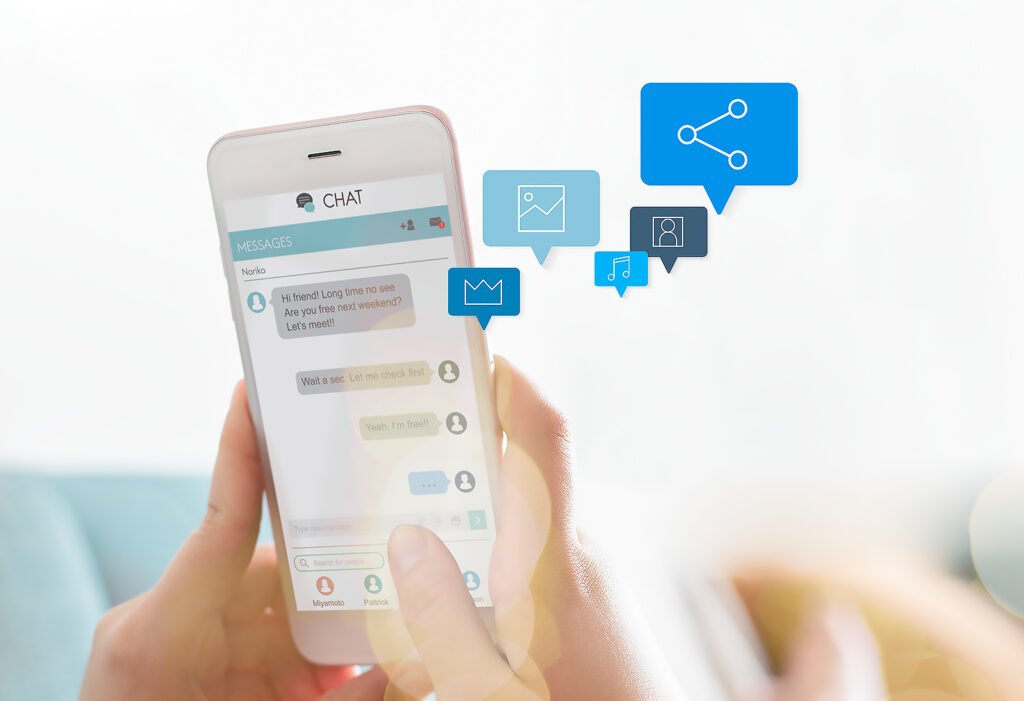
An AI chatbot is a conversational software tool powered by artificial intelligence and natural language processing (NLP). Unlike traditional rule-based chat systems, AI chatbots can:
- Understand user intent
- Respond conversationally
- Learn from interactions
- Personalize responses
- Route qualified leads automatically
Modern AI chatbots operate 24/7, instantly engaging visitors the moment they land on your website.
Why Website Visitors Don’t Convert
Before exploring solutions, it’s important to understand why many visitors leave without converting:
- They can’t find what they need quickly
- They have unanswered questions
- The site feels impersonal
- Forms are too long or confusing
- They’re not ready to commit
AI chatbots address each of these friction points in real time.
How AI Chatbots Turn Visitors into Qualified Leads
1. Instant Engagement at the Right Moment
Timing is critical in lead generation. AI chatbots trigger conversations based on:
- Time spent on page
- Exit intent
- Scroll depth
- Specific pages (pricing, services, demos)
- Referral source
Instead of waiting for users to fill out a form, chatbots proactively start conversations like:
- “Looking for pricing details?”
- “Can I help you choose the right plan?”
- “Want a custom quote?”
This reduces bounce rates and increases engagement dramatically.
2. Smart Lead Qualification Through Conversation
Traditional forms collect static information. AI chatbots create dynamic conversations that adapt in real time.
For example, instead of presenting a 10-field form, a chatbot might ask:
- What are you looking for today?
- What’s your company size?
- What’s your budget range?
- When are you planning to implement?
Based on responses, the chatbot can:
- Identify decision-makers
- Score the lead
- Route high-value prospects to sales
- Offer content to lower-intent users
This conversational qualification feels natural rather than intrusive.
3. Personalized User Experience
AI chatbots can personalize interactions using:
- Location data
- Device type
- Past visits
- Referral source
- CRM integration
For example:
- Returning visitor → “Welcome back! Still interested in enterprise solutions?”
- Visitor from an ad campaign → “Interested in our limited-time offer?”
Personalization significantly increases conversion rates because users feel understood.
4. 24/7 Lead Capture (Even While You Sleep)
One of the biggest advantages of AI chatbots is continuous availability.
Unlike human teams, chatbots:
- Never miss inquiries
- Capture leads outside business hours
- Respond instantly
For global businesses or service providers, this can dramatically increase qualified lead volume.
5. Reducing Friction Compared to Traditional Forms
Forms feel transactional. Conversations feel helpful.
AI chatbots:
- Break information collection into small steps
- Provide instant answers
- Offer clarity before requesting contact details
- Reduce overwhelm
By the time a chatbot asks for an email or phone number, trust has already been built.
6. Real-Time Lead Routing to Sales Teams
Once a visitor meets qualification criteria, AI chatbots can:
- Book meetings automatically
- Transfer to live agents
- Push data to CRM systems
- Trigger follow-up workflows
This reduces response time—one of the biggest factors in closing deals.
Companies that respond to leads within minutes are far more likely to convert them into customers.
7. AI-Powered Lead Scoring
AI chatbots can assign lead scores based on:
- Engagement depth
- Budget fit
- Authority level
- Timeline urgency
- Pages viewed
This helps sales teams prioritize high-intent prospects instead of wasting time on cold leads.
Advanced Strategies for Maximizing Qualified Leads
A. Use Behavioral Targeting
Deploy different chatbot flows based on:
- Pricing page visitors
- Blog readers
- Returning visitors
- High-ticket service pages
This ensures relevance and higher conversion rates.
B. Offer Value Before Asking for Contact Info
Instead of immediately asking for details, provide:
- Free guides
- Audit offers
- Personalized recommendations
- Quick assessments
This positions the chatbot as a helpful assistant rather than a gatekeeper.
C. Integrate with CRM and Marketing Automation
For best results, connect your AI chatbot to:
- CRM platforms
- Email marketing systems
- SMS automation
- Sales pipelines
This ensures no qualified lead falls through the cracks.
D. Continuously Optimize Using Data
Track key metrics such as:
- Conversation start rate
- Completion rate
- Lead qualification rate
- Meeting booking rate
- Conversion to customer
Use this data to refine scripts, triggers, and qualification logic.
Industries That Benefit Most from AI Chatbot Lead Qualification
AI chatbots are especially effective for:
- SaaS companies
- Marketing agencies
- Real estate firms
- Healthcare providers
- Financial services
- B2B service providers
- E-commerce stores
Any business that relies on inbound traffic can benefit.
SEO Benefits of AI Chatbots
While chatbots don’t directly impact search engine rankings, they influence key SEO metrics:
- Lower bounce rate
- Increased time on site
- Higher engagement
- Improved user experience
- Better conversion rates
Search engines reward strong user experience signals, which indirectly supports SEO growth.
Common Mistakes to Avoid
- Making the chatbot too robotic
- Asking for too much information too quickly
- Not integrating with CRM systems
- Failing to update conversation flows
- Over-automating without offering human support
The most effective AI chatbots feel natural, helpful, and seamless.
The Future of AI Chatbots in Lead Generation
As AI continues to evolve, chatbots are becoming:
- More conversational
- Emotion-aware
- Predictive
- Multi-channel (website, social media, messaging apps)
- Voice-enabled
Businesses that adopt AI-driven conversational marketing early gain a significant competitive advantage.
Final Thoughts
AI chatbots are no longer optional tools—they are strategic conversion assets.
When implemented correctly, they:
- Engage visitors instantly
- Personalize interactions
- Qualify leads efficiently
- Reduce friction
- Improve sales response time
- Increase overall conversion rates
The difference between traffic and revenue often lies in how effectively you capture and qualify interest. AI chatbots bridge that gap by transforming passive visitors into active, qualified prospects.
If your website attracts traffic but struggles to convert, implementing an AI chatbot may be the most impactful upgrade you can make.
The future of lead generation is conversational—and businesses that embrace AI-powered engagement will dominate in customer acquisition.